
McCandless Ford Meadville, Inc.

Blog

Getting a New Car Battery for Your Ford

Your Ford's battery will last for three to five years and then needs replacement. A battery usually fails due to the breakdown of the chemicals inside it that allow it to store and supply electricity. A battery can also fail due to problems with other engine components. As your Ford dealer in Meadville, PA, we'd like you to know some signs that you need to visit us for a new car battery.

Your Battery Is Old

As we saw above, the average life of a battery is less than five years under normal conditions. The battery contains several chemicals, including sulfuric acid, which react with each other, and the copper plates inside the battery to store electricity as chemical energy. These chemical reactions slowly cause the sulfuric acid to break down, and this causes a drop in battery storage capacity.

As your dealer, we advise that you get regular battery checkups to ensure your battery is always in top condition. We will get your battery by hooking it up to our battery testing machine. This tester will identify any weaknesses in the battery and provide a heads-up that it needs replacement. If your battery passes the test, we'll test it again in a year. If it fails, we can replace it while you wait.

Cold Is Bad

Here in Meadville, PA, we get cold winters. While the snowy landscape looks beautiful, cold weather can be deadly for your battery, especially if it's already weak. When you push the start button, your engine will come to life in seconds. In the winter, you'll notice it takes longer for your engine to turn over.

Slower cranking is normal in winter, as low temperatures turn your oil thicker. The battery has to supply more power to overcome this problem. In addition to the extra power required, your battery will lose 30% to 60% of its capacity in freezing conditions. At this low temperature, electricity leaks out from the battery terminals. We'll examine your battery and replace it if necessary.

Rotten Egg Smell

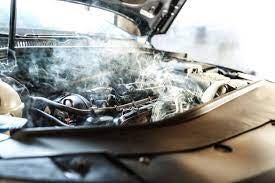
Hydrogen sulfide smells like rotten eggs, so it's easy to identify. If you smell this stench wafting from your engine compartment, your battery is failing. This problem usually occurs in an older battery. The breakdown of sulfuric acid releases hydrogen. Hydrogen molecules are minute and will escape the battery casing.

When these molecules enter your engine, they combine with sulfur molecules released by the fuel in the engine. These two chemicals combine to form hydrogen sulfide. We can't repair this problem, but we can install a new battery to fix the problem.​​​​​​​​​​​​​​​​​​​​​​​​​​​​​​​​​​​​​​​​​​​​

If you have a battery problem, we can fix it. Call our service department today at McCandless Ford Meadville, Inc.
Recommended Posts

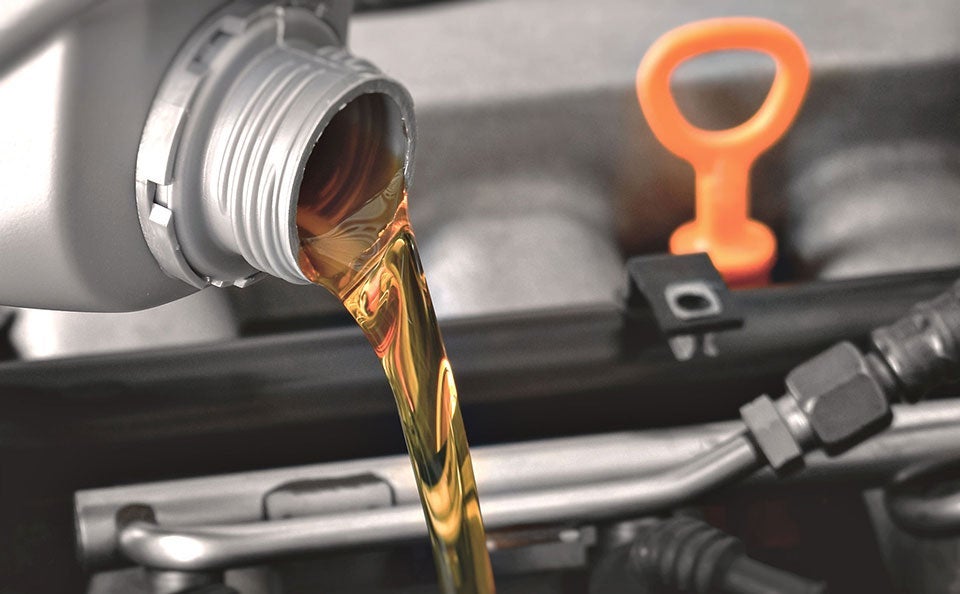
How Often Should Your Ford Get an Oil Change?

Driving a Ford is like being part of a special club where durability and performance are the daily norms. But even the sturdiest of vehicles need some love and care, and one of the simplest, most effective ways to show your Ford some TLC is through regular oil changes. Not sure how often you should be heading to the Ford dealer for that oil service? Let's take a peek. Nailing Down the Schedule Your Ford's owner's manual probably spends a lot of time loitering in your glove box, but it's worth pulling it out to read. It's packed with useful info, including how often you should change the oil. Generally, for newer Ford models, you're looking at fresh oil every 5,000 to 7,500 miles if you're using synthetic oil. How you drive plays a big part in how often you need to change it, however. If your Ford's life is more demanding, like frequent towing, hauling, or driving in heavy traffic, it might need that oil more frequently. Signs It's Time for an Oil Change at the Ford Dealer The Oil Light Comes On When this light illuminates your dashboard, your Ford is suggesting politely that it's time for some fresh oil. The Dipstick Comes Out Dirty Pull out the dipstick and take a look. If your oil is dark, gritty, and just plain dirty-looking, it's a clear sign that it's time for a change. Checking your oil frequently is one of the best ways you can estimate whether you need to get some fresh oil. Unusual Engine Noises If your engine starts to sound like it's putting in a lot of extra work, knocking and rumbling ominously, it could be crying out for new oil. The oil in your car lubricates the parts of your engine so that they don't rub together. Knocking sounds, especially, are a bad sign that your car's moving parts are becoming damaged. Smelling Oil Inside the Car If you're getting a whiff of oil inside your car, there's a reasonable chance you have an oil leak. If not, it might signal that your engine is too low on oil and starting to overheat. Either way, these are serious issues that warrant a trip to the dealership. Changing the Oil: A Critical Service Without regular changes, oil becomes less effective, leading to increased friction and wear. Over time, this can cause significant engine damage that is expensive to repair. Regularly changing your oil is like a golden ticket to keeping your Ford running smoothly for the long haul. They're a small investment in your vehicle's health that pays off in performance, reliability, and an increased lifespan. Call McCandless Ford today to schedule your next service appointment.

Should you purchase an extended warranty on you new or used vehicle?

Deciding whether to purchase an extended warranty for a new or used vehicle involves considering various factors. Many individuals opt for extended warranties due to the following reasons: Peace of Mind and Long-Term Cost Savings: Extended warranties offer an extra layer of coverage, providing peace of mind and potentially saving money in the long run by mitigating unexpected repair costs. Complexity of Modern Vehicles: Advanced technologies and complex components in modern vehicles can result in expensive repairs. Extended warranties help cover these costs, making them particularly appealing for technologically advanced cars. Transferable Coverage and Customizable Options: Some extended warranties are transferable, enhancing the resale value of the vehicle. Additionally, customizable coverage options allow tailoring the warranty to specific needs, providing flexibility. Lock in Today's Rates: Purchasing an extended warranty at the time of vehicle acquisition may lock in current rates, potentially offering savings compared to buying a warranty later when the original warranty has expired. However, before deciding on an extended warranty, it's crucial to consider the following factors: Cost vs. Benefit Analysis: Evaluate the cost of the extended warranty against potential savings on future repairs. Consider your vehicle's reliability, the likelihood of major issues, and your budget. Manufacturer Reputation: Check the reputation of the warranty provider, especially if it is a third-party company. Some may have limitations or exclusions that affect coverage. Existing Coverage: Assess the coverage provided by the manufacturer's warranty. If it is comprehensive and meets your needs, an extended warranty might be unnecessary initially. In summary, the decision to purchase an extended warranty is personal and should be based on an informed assessment of individual circumstances, budget considerations, and risk tolerance. Reading and understanding the terms and conditions of the warranty is essential in making a well-informed decision.

Does Your Ford Need a Brake Repair?

It's interesting to note that certain sounds, smells, and changes in how your car feels while driving may indicate the need for brake repair. Paying attention to the following symptoms can help determine when to visit your Ford dealer for brake service, ensuring your safety. Your Brake Warning Lights Are On Your brake and Anti-lock Brake System (ABS) warning lights on your dashboard will alert you when there is a problem with your Ford's braking system. If the ABS warning light turns on, the regular brakes are still functional, but the ABS is not. You Hear Screeching Sounds and Grinding Noises One of the most common indications that your car requires a brake inspection is the presence of screeching sounds when you apply the brakes. It's an alert from the wear indicator bars in your brake pads warning you that they are wearing thin. The pads are now worn down to the metal and grinding against the rotors. Act quickly and ask your Ford technician to replace your car's brake pads before they cause more damage that may result in costly repairs. You Feel Vibrations Through the Brake Pedal If you feel any vibrations through your brake pedal or the steering wheel, have your brakes inspected by a technician without delay. The vibrations are caused by warped rotors making uneven contact with the brake pads. If the vibrations are severe, bring your car to us for repairs as soon as possible. Your Car Takes Longer To Stop If you must push harder on the brake pedal to stop your car, it's either worn-out brake pads or low brake fluid. Ignoring this issue could lead to complete brake failure. Get your brakes repaired as soon as possible to avoid potential safety risks. You Notice Yellow or Brown Pools Under Your Car It could be a brake fluid leak if you notice yellow or brown pools on the ground under your car. Inadequate brake fluid levels will severely reduce your braking ability. Low brake fluid levels will also trigger the brake warning light on your dashboard. You Smell Burning If you smell burning, it could be that your brakes are overheating. When brakes overheat, they may not work efficiently. It's always best to pull over as soon as it's safe and wait for your brakes to cool down. Meanwhile, call us and schedule a service appointment. To ensure your brakes are always in excellent working condition, follow the maintenance intervals in your owner's manual. Contact McCandless Ford Meadville, Inc. in Meadville, PA, today for a brake service. Our certified Ford technicians will thoroughly inspect your brakes and perform the necessary repairs to ensure you have all the necessary braking power.